Judith Hermann: Glück ist immer der Moment davor - 40. Freiburger Literaturgespräch: Eröffnungslesung und Werkschau mit Insa Wilke
Begrüßung: Roland Meder, Bürgermeister für Kultur, Soziales und Integration der Stadt Freiburg
Moderation: Insa Wilke
„Mein erster und einziger Besuch bei einem Therapeuten kostete mich das rote Korallenarmband und meinen Geliebten.“
Ein unvergessener erster Satz, dem viele unvergessliche Sätze folgten. Mit Judith Hermanns Debüt „Sommerhaus, später“ (1998) zog ein neuer Ton in die deutschsprachige Literatur ein. Nüchtern, lakonisch, fast wortkarg gelang es der Autorin, Dichte und Intensität von Stimmungen zu beschreiben, ein ganzes Lebensgefühl zwischen den Zeilen zu entfalten.
Aus diesen stilprägenden Anfängen sind bis heute vier Erzählbände und zwei Romane erwachsen. Blickt man von „Wir hätten uns alles gesagt“ (2023), ihrer Frankfurter Poetikvorlesung, zurück, dann klingt der erste Satz der Erzählung „Rote Korallen“ wie ein Fingerzeig, der bereits auf alles Kommende verweist. Ein Schreiben, das von Leerstellen lebt, von der „Präzision des Ungefähren“ (F.A.S.), mit der sich Hermann ihren Sujets nähert, in einer tastenden Bewegung zwischen Wahrheit, Erfindung und Geheimnis. Und von ihrer einzigartigen Gabe, ein solches zu bewahren.
„Ich schreibe über mich. Ich schreibe am eigenen Leben entlang, ein anderes Schreiben kenne ich nicht“, so Judith Hermann. Diesem Weg durch ihr Werk folgt die vielfach ausgezeichnete Autorin heute Abend im Gespräch mit der Literaturkritikerin Insa Wilke.
---
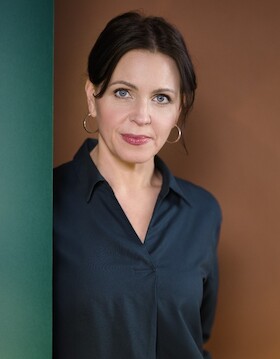
Foto: © Andreas Reiberg
Förderer: Kulturamt der Stadt Freiburg, Ministerium für Wissenschaft, Forschung und Kunst Baden-Württemberg, Sparkasse Freiburg-Nördlicher Breisgau, Guzzoni-Federer-Stiftung, Deutsche Pfandbriefbank
Kooperationspartner: Theater im Marienbad, Buchhandlung jos fritz
Kulturpartner: SWR Kultur
Datum: 4.11.2026, 19:30 Uhr
Ort: Historisches Kaufhaus, Münsterplatz 24
Eintritt: 16/8 Euro
Literaturgespräch
Außer Haus
Ausverkauft! Restkarten sind ggfs. kurzfristig erhältlich.

 Hallo, ich bin Maya.