Summerwinds Festival: Joolaee Trio & Parisa Saeednezhad: Schnittstellen, Amalgame
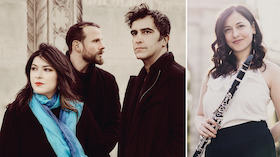
Joolaee Trio & Parisa Saeednezhad Klarinette
Misagh Joolaee Kamancheh
Schaghajegh Nosrati Klavier
Sebastian Flaig Perkussion
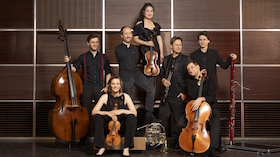
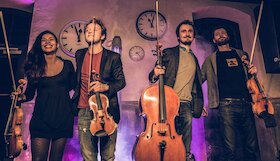
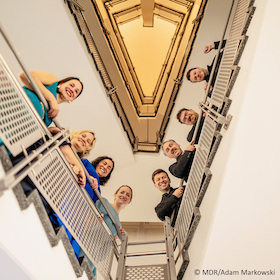
Hochexpressiv und klangschön, reiche Harmonik und Melodik, pulsierende Rhythmen: das deutsch-iranische Joolaee Trio hat eine eigene musikalische Sprache gefunden als ein innovatives Amalgam verschiedener Kulturen, in dem die Trennung von West und Ost, persischer Klassik und europäischer Klassik und Jazz, Tradition und Moderne aufgehoben ist.
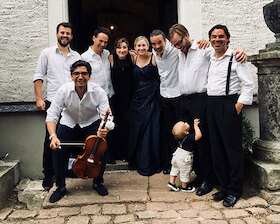
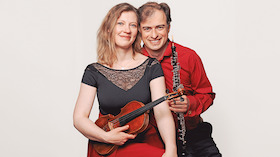
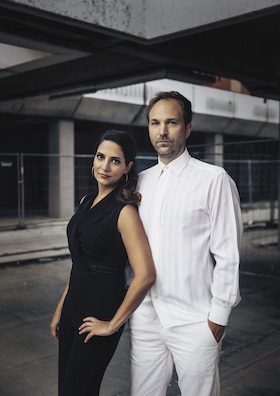
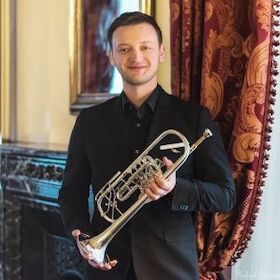
Mit Misagh Joolaee an der Kamancheh – die iranische Stachelgeige klingt brüchig-rauchig und nasal –, mit der klassischen Pianistin Schaghajegh Nosrati, die mit ihren Bach-Interpretationen den internationalen Durchbruch erzielte, und dem Ethno- und Jazzperkussionisten Sebastian Flaig ist das Joolaee Trio eine der außergewöhnlichsten Kammermusikformationen überhaupt. Sein Gast, die Iranerin Parisa Saeednezhad, die wie das Trio in Deutschland lebt, beherrscht die westliche Klarinette virtuos und bringt überdies Improvisationskunst und persische Klangfarben ein.
In „Schnittstellen, Amalgame“ demonstriert Saeednezhad, dass es im Westen „schon immer“ Schnittstellen des Dur-Moll-Systems mit anderen Tonleitersystemen, sog. Modi, gab. Auch die hier vorherrschenden Zweier-, Dreier- und Vierertakte wurden mit asymmetrischen Rhythmen kombiniert. Hat sich die Kunstmusik doch dadurch erneuert, dass sie sich „Fremdes“ mit Begeisterung zu eigen machte, z.B. Volksmusik. So spielt die gebürtige Teheranerin Bartóks „Rumänische Volkstänze“, dazu „Vier hebräische Bilder“ des russisch-amerikanischen Klarinettisten Simeon Bellison, die in der osteuropäischen Klezmer-Tradition stehen. Abseits von Dur und Moll hat Olivier Mesiaen auf der Suche nach spiritueller Entgrenzung u.a. Vogelstimmen gelauscht und ganz individuelle Modi entwickelt, etwa für das ergreifende Klarinettensolo „Abgrund der Vögel“.
Misagh Joolaees Kompositionen basieren auf dem Radif, einer alten Sammlung von über 350 Guschehs – Melodien, Motiven, Modi –, die die Grundlage der klassischen persischen Musik bildet. Dabei hat jeder Modus seine spezielle Charakteristik und Stimmung. Joolaee studierte den Radif bei persischen Meistern: „Man muss diese Guschehs auswendig lernen. Und dann kommt das Spannende: die eigene Variation, Kombination und Ornamentik zu finden“. Aus seiner kompositorischen Vorgabe machen er, Nosrati, Flaig und Saeednezhad mit improvisatorischer Freiheit und grenzenloser Fantasie das mitreißende Joolaee Trio- und Quartett-Amalgam.
Schnittstellen, Amalgame
Olivier Messiaen (1908–1992): Abîme des oiseaux
Béla Bartók (1881–1945): Rumänische Volkstänze
Simeon Bellison (1881–1953): Four Hebraic Pictures
Traditional: Sari Gelin
Misagh Joolaee (*1983): Gefährten| Be Hich Diyar | Mehrabani | Mahjur | Negarin | Vashagh | Sharar
Improvisationen, u.a.

 Hallo, ich bin Maya.