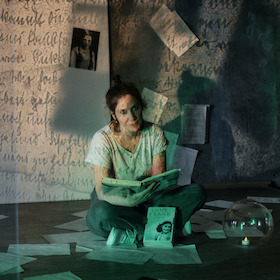
"Ich werde, hoffe ich..." Die Tagebücher der Elisabeth Block und Anne Frank
"Ich werde, hoffe ich..." - Die Tagebücher der Elisabeth Block und Anne Frank
Eine Stückentwicklung nach den Tagebüchern von Anne Frank und Elisabeth Block
Klassenzimmerstück ab 14 Jahren
Spielzeit: ca. 60 Minuten (inkl. Nachgespräch ca. 90 Minuten)
Das Stück:
Wer bin ich? Und vor allem: wer möchte ich sein?
Welchen Platz möchte ich in der Gesellschaft haben?
Die großen Fragen werden immer wieder gewälzt - kennt man als Teenager, oder?!
Doch was, wenn einem dieser Platz auf einmal verwehrt wird? Was, wenn diskriminierende Parteien ihr Programm so sehr in die Köpfe der Menschen eingepflanzt haben, dass Ausgrenzung tödlich wird?
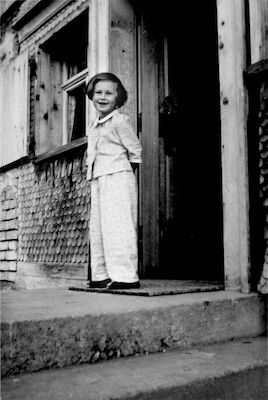
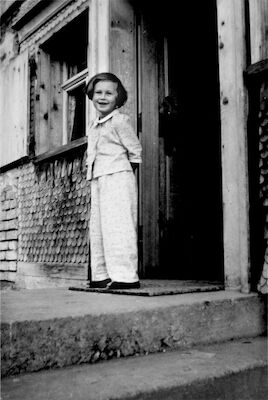
„Ich werde, hoffe ich, dir alles anvertrauen können[…]“, sind die ersten Worte, die Anne Frank am 12. Juni 1942 in einem von Nationalsozialisten heimgesuchten Amsterdam in ihr Tagebuch schreibt. Drei Monate zuvor und 800 km entfernt berichtet die 19-jährige Rosenheimerin Elisabeth Block in ihrem Tagebuch über die Geburt des Kindes ihrer Freundin. Es sollte ihr letzter Eintrag sein. Die ebenfalls jüdische Familie Block wurde verschleppt und vermutlich in einem polnischen Lager ermordet.
Zwischen Elisabeth Blocks letztem und Anne Franks erstem Tagebucheintrag liegen nicht nur 96 Tage, sondern auch zwei komplett verschiedene Lebenssituationen und Umstände. Sie waren zwei ganz unterschiedliche Jugendliche und doch erlitten sie das gleiche tragische Schicksal. Aufgrund ihrer Zugehörigkeit zu einer Gruppe wurden sie diskriminiert, ausgeschlossen, gequält und ermordet.
Trotz ihrer widrigen Lebensumstände verbindet sie jedoch eine unfassbare Stärke: ein Lebensmut, der seinesgleichen sucht und dessen Strahlkraft so faszinierend wie inspirierend ist. Mit Herzen voller Hoffnung lenken sie ihren Blick immer wieder auf die schönen Dinge im Leben. Trollblumen sammeln. Plätzchen backen. Lesen. Schreiben. Haare im Wind fliegen lassen.
Wie finden Schüler*innen Zugang zu den Geschehnissen der NS-Zeit? Wie machen wir uns selbst diese Zeit begreifbar, um eine Wiederholung um jeden Preis zu verhindern? Das Stück soll sich mit den Mechanismen politischer und privater Diskriminierung und deren Folgen auseinandersetzen, ohne dabei didaktisch von oben herab daher zu kommen. Durch die Stimmen zweier Jugendlicher und mittels moderner ästhetischer Elemente wollen wir den Schüler*innen auf Augenhöhe begegnen. Das Ein-Personenstück funktioniert sowohl auf der Bühne als auch als mobile Version im Klassenzimmer.
Ein anschließendes Nachgespräch ist Teil des Stückes.
Das Junge Theater Rosenheim e.V.:
Rosenheim braucht ein Stadttheater für junges Publikum, das neben der Schulbildung kulturelle Impulse setzt. Ganz gezielt und nachhaltig kann so eine Plattform geschaffen werden, die es Kindern, Jugendlichen und jungen Erwachsenen mit den Mitteln von Theater und Kunst ermöglicht, sich mit Themen auseinanderzusetzen, die deren Lebenswirklichkeit widerspiegeln.
Das Theater bildet ein Gegengewicht zu digitalem Medienkonsum und Unterhaltungsformaten, schafft echte Begegnungen und Diskussionen mit Künstlern und Zuschauern. Seine Wirkung ist integrativ und identitätsstiftend.

 Hallo, ich bin Maya.