Chapeau Classique: Ensemble Odyssee - Venedigs Glanz am Dresdner Hof
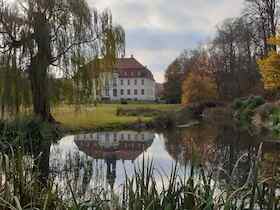
Höfischer Glanz, schillernde Farbenpracht: wie Dresden und Venedig selbst strahlt die Musik dieser Kulturhauptstädte im 18. Jahrhundert. Die sächsische Residenzstadt und die Lagunenrepublik verbindet ein intensiver künstlerischer Austausch.
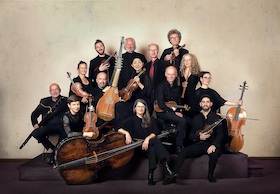
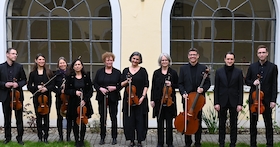
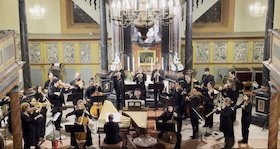
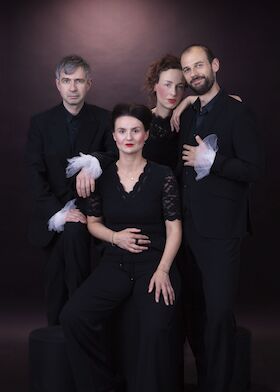
Heute inspiriert der damalige Stil-Transfer das renommierte Barock-Ensemble Odyssee aus Amsterdam, einzutauchen in die verführerische Mélange aus deutscher Satzkunst, expressiver Melodik und italienischer „sprezzatura“, der hohen Kunst, das Schwierige mühelos, wie improvisiert erscheinen zu lassen.
„Venedigs Glanz am Dresdner Hof“ folgt den Spuren jener Musiker aus dem Gefolge Augusts des Starken, die 1716 bis 1717 nach „La Serenissima“ reisten, sich mit dem schwungvollen venezianischen Stil, vor allem Vivaldis, und seiner instrumentalen Brillanz vertraut machten und die Dresdner Hofmusik dafür öffneten.
So wurde Pisendel, der bedeutendste deutsche Geiger des Spätbarock, Konzertmeister der Dresdner Hofkapelle unter Hasse, in Venedig zum Freund Vivaldis. Mit nach Sachsen, wo Vivaldi niemals war, brachte Pisendel u.a. Vivaldis so energetische wie kantable Triosonate in g-Moll. Pisendels berührende Solosonate für Violine ist als italienisch inspirierte Auseinandersetzung mit J. S. Bachs „Sei solo“ zu hören.
Hasse, in Italien als „il divino Sasse“, der göttliche Sachse, bewundert, war der große Opernkomponist des Dresdner Hofes. Auch seine „Cantata per Flauto“ lässt die Blockflöte virtuos singen. Händel (1706–1710 in Italien) verbindet in seiner Triosonate Drama, Eleganz und Kontrapunkt. Festlich vermischt Fasch, wie Händel dem Dresdner Hof von Ferne verbunden, französische Noblesse und italienische Lebendigkeit, während Heinichen, Hofkapellmeister in Dresden, seiner Oboensonate durch italienische Melodik und deutsche Mehrstimmigkeit höchste Ausdruckskraft verleiht.
Janitsch, Mitglied der Berliner Hofkapelle, vertritt den galanten Stil der 1730er/40er Jahre. Seine Kammersonate ist leicht, transparent, höfisch gewandt und versprüht, ähnlich wie das Quartett des heute kaum bekannten Fortunato Riedel, optimistische Energie.
PROGRAMM:
Venedigs Glanz am Dresdner Hof
Johann Friedrich Fasch (1688–1758):
Sonate in B-Dur, für Blockflöte, Oboe, Violine und Basso continuo, FaWV N:B1
Georg Friedrich Händel (1685–1759):
Triosonate in c-Moll, für Blockflöte, Violine und B. c., HWV 386a, op. 2
Johann David Heinichen (1683–1729):
Sonate in g-Moll, für Oboe und B. c. (Manuskript)
Johann Gottlieb Janitsch (1708–1762):
Sonata de camera in F-Dur, für Blockflöte, Oboe, Violine und Basso Continuo, op. 6
Antonio Vivaldi (1678–1741): Triosonate in g-Moll, für Oboe, Violine und B. c., RV 81
Johann Adolph Hasse (1699–1783):
Cantata per Flauto in C-Dur, für Blockflöte und B. c. (Manuskript ca. 1728–1733)
Johann Georg Pisendel (1687–1755):
Sonata für Violine solo
Fortunato Riedel (ca. 1700): Quartet in F-Dur, für Blockflöte, Oboe, Violine und B. c.
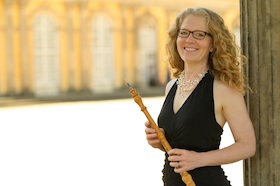
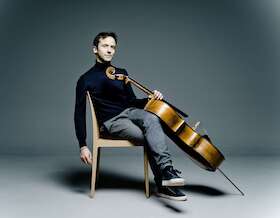
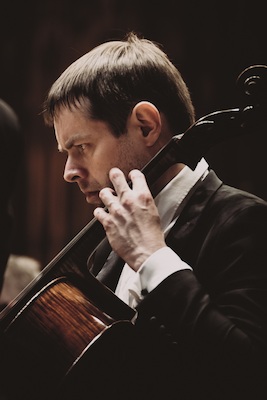
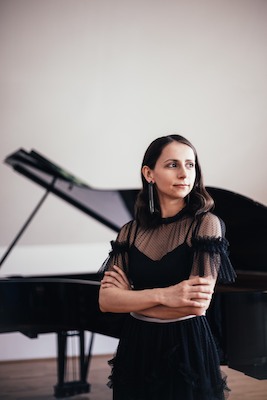
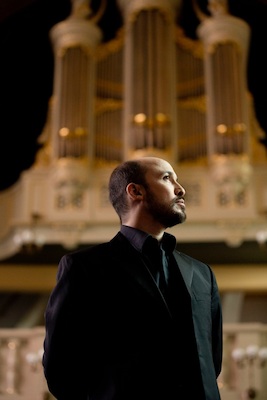
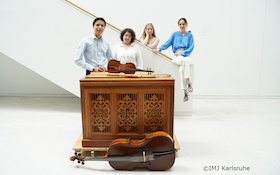
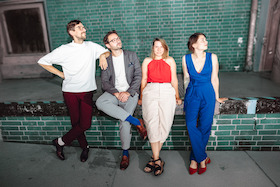
Anna Stegmann Blockflöte Georg Fritz Oboe Eva Saladin Violine Andrea Friggi Cembalo

 Hallo, ich bin Maya.