Partys, Konzerte, Theater & Comedy, Kultur, Sport und vieles mehr.
 Hallo, ich bin Maya.
Wie kann ich helfen?
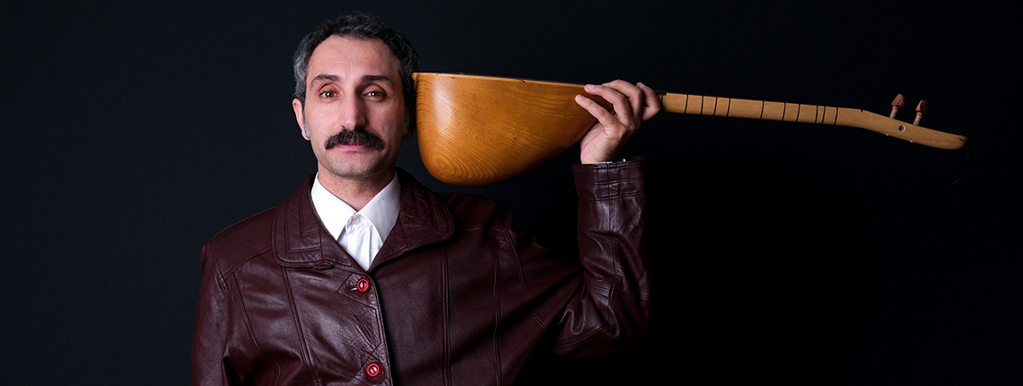
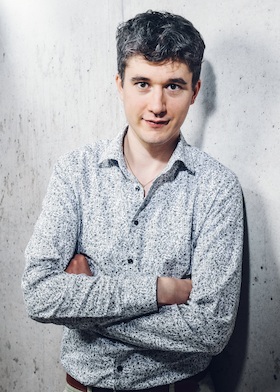
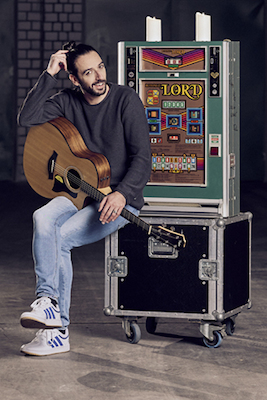
Der anatolische Sänger singt und spielt Tembur und Akustikgitarre. Die Emotion seiner ausdrucksstarken Stimme, die verträumten Melodien seiner Kompositionen und sein profunder Hintergrund haben schon in großen Konzerthäusern wie der Elbphilharmonie das Publikum begeistert.
Ali Doğan Gönültaş singt und spielt Tembur und Akustikgitarre. Er ist zudem ein äußerst begabter Arrangeur, künstlerischer Produzent und Komponist. Er wurde in Kiğı, Ostanatolien, in einer Familie geboren, für die, wie für die meisten alevitischen, Musik ein wesentliches Mittel zur Vermittlung der Geschichte ihres Volkes ist.
Die Emotion seiner ausdrucksstarken Stimme, die verträumten Melodien seiner Kompositionen und sein profunder Hintergrund erstrahlen in all ihrer Pracht im großartigen Debütalbum „Kiğı“, für das der Künstler über zehn Jahre Feldforschung betrieben hat. Dieses selbstproduzierte Album hat ihm Türen zu europäischen Bühnen geöffnet.
Ali Doğan Gönültaş wurde Mitte der 1980er Jahre in Kiğı geboren – einem ländlichen Dorf in den rauen Bergen Ostanatoliens – und wuchs in einer kurdischen Familie auf, für die Musik, wie in den meisten alevitischen Familien, ein unverzichtbares Mittel zur Weitergabe von Geschichte darstellt. Kurz darauf musste die Familie in die Stadt ziehen. In Istanbul wurde Ali von Lehrern und Ältesten zum Singen ermutigt; sie erkannten seine natürliche Musikalität, die er später durch künstlerische Arbeit und Komposition weiter verfeinerte.
Nach zehn Jahren, zwei Alben und Hunderten von Konzerten mit der Band Ze Tîje produzierte und veröffentlichte Ali Doğan im Jahr 2022 sein erstes Soloalbum, Kiğı – das Ergebnis von fünfzehn Jahren Forschung und Gesprächen mit Ältesten. Die positive Resonanz auf das Album öffnete ihm die Türen zu bedeutenden europäischen Bühnen, und der Erfolg von Keyeyî (2024) bestätigte die Magie seiner Musik.
Seit 2023 ist Ali in 25 Ländern in Europa, Nordafrika und dem Nahen Osten aufgetreten – an Spielstätten wie der Fundação Gulbenkian, der Elbphilharmonie Hamburg, der Philharmonie Luxembourg und dem Nationaltheater Sarajevo sowie auf Festivals wie dem Rudolstadt-Festival und auf Open-Air-Bühnen wie dem Rathausplatz von Valencia. Mitte 2026 konzentriert sich Ali auf die künstlerische Produktion und die Aufnahmen für ein neues Album, in dem seine Beziehung zu Seîdê Goyî ein zentrales Thema bildet.
Ali Doğan Gönültaş was born in the mid -1980s in Kiğı, a rural village in the rugged mountains of Eastern Anatolia, into a Kurdish family for whom, as in most Alevi families, music is an essential way of transmitting history. Soon after, the family had to move to the city. In Istanbul, Ali was encouraged by teachers and elders to sing, recognising his natural musicality, which he later refined through artistic work and composition. After ten years, two albums and hundreds of concerts with the band Ze Tîje, Ali Doğan
produced and released his first solo album, Kiğı , in 2022 , based on fifteen years of research and conversations with elders. Its reception opened the doors to major European stages, and the success of
Keyeyî (2024) confirmed the magic. Since 2023, Ali has performed in 25 countries across Europe, North Africa and the Middle East, appearing at venues such as Fundação Gulbenkian, Elbphilharmonie Hamburg,
Philharmonie Luxembourg and the National Theatre of Sarajevo , as well as festiv als like Rudolstadt festival and open – air stages such as Valencia ’ s town hall square. In mid – 2026 , Ali is focused on the artistic production and recording of a new album in which his relationship with Seîdê Goyî is a central theme