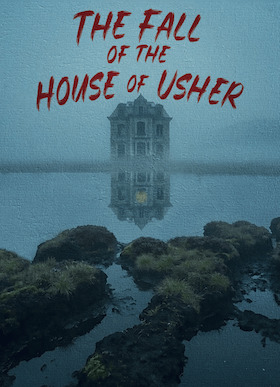
Philip Glass: The Fall of the House of Usher - Kammeroper in zwei Akten nach der gleichnamigen Erzählung von Edgar Allan Poe
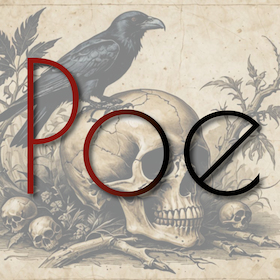
1839 erschien erstmalig die berühmte Geschichte „The Fall of the House of Usher“ von Edgar Allen Poe (1809-1849) in „Burton’s Gentleman’s Magazine“ in New York. Als Erfinder der modernen Kriminalliteratur gehört Poe mit seinen phantastischen Schauergeschichten zu den Vorreitern der Psychoanalyse. In der amerikanischen Literatur gilt er eher als Außenseiter. In Europa, bekannt gemacht durch seinen Bewunderer Charles Baudelaire, fanden seine Werke bald vor allem im deutschen Sprachraum eine begeisterte Leserschaft. Poes Dichtungen überschreiten oftmals die Grenzen zwischen Dies- und Jenseits, was ihre besondere Faszination ausmacht.
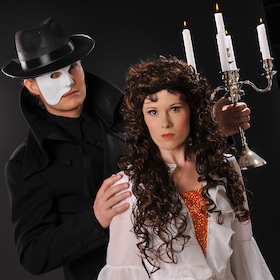
William wird von seinem Jugendfreund Roderick Usher mit der Bitte um Hilfe herbeigerufen. Ist es Traum oder Wirklichkeit, was William während seines Aufenthaltes im Hause Usher erlebt? Eine Reise in die eigene Vergangenheit. Rodericks seltsame Liebe zu seiner todkranken Zwillingsschwester Madeline, deren Stimme Tag und Nacht im Haus zu hören ist, auch dann noch, nachdem sie im unterirdischen Verließ des Hauses begraben wurde.
Der Amerikaner Philip Glass (geb. 1937) gehört zu den populärsten zeitgenössischen Komponisten. Man bringt seinen Namen stets mit der Kunstrichtung der Minimal Music in Verbindung, einem Begriff, der zuerst durch den Amerikaner Tom Johnson (z. B. Die Viertonoper, jüngst 2025 durch die Opera Factory Freiburg aufgeführt) und den Briten Michael Nyman (z. B. Das Piano) geprägt wurde. Glass selbst würde nur seine zwischen 1965 und 1975 entstandene Musik dieser Richtung zuordnen und beschreibt seine Werke lieber als „Musik mit wiederkehrenden Strukturen“. Sein Musikstil ist entscheidend durch die indische Musik und seinen Mentor Alla Rakha geprägt. „Durch diese Musik habe ich meine Sensibilität für den Rhythmus entwickelt.“ Weltweit bekannt wurde Glass 1976 mit der Oper Einstein on the Beach, der zahlreiche gemeinsame Projekte mit Robert Wilson folgten. In den 1980er Jahren kam es zur Zusammenarbeit mit Achim Freyer in Stuttgart mit einer Glass-Trilogie, darunter der Uraufführung von Akhnaten (Echnaton). Inzwischen hat Philip Glass mehr als 20 Opern komponiert. Einem breiten Publikum ist er durch die Komposition von Filmmusik bekannt geworden (Koyaanisqatsi, Dracula, The Hours u. v. a.).
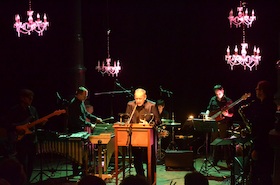
Die Musik von Philip Glass unterstützt die markerschütternde Handlung durch einen schwebenden, vereinnahmenden Klangteppich, der den Hörer in eine Art meditativer Entrückung versetzt. Die scheinbare Ereignislosigkeit in der Musik unterstreicht, im Zusammenhang mit der Handlung, die albtraumhafte Atmosphäre dieser auf der gleichnamigen Erzählung von Edgar Allan Poe basierenden Schauerballade. Für Tenor, Bariton und Sopran hat Glass die drei Hauptpartien notiert. Er verwendet neben Gitarre, Schlagwerk und Synthesizer ein konventionelles Instrumentarium eines Kammerensembles.
Philip Glass (*1937): The Fall of the House of Usher (1987/88)
Kammeroper in zwei Akten nach der gleichnamigen Erzählung von Edgar Allan Poe
Text: Arthur Yorinks
Aufführungen in englischer Originalsprache mit Übertiteln
Freiburger Erstaufführung
Künstlerisches Team
Musikalische Leitung: Klaus Simon
Inszenierung: Joachim Rathke
Ausstattung: David Mohorič
Dramaturgie: Cornelius Bauer
Theaterpädagogik: Friederike Neff
Solisten
William (Bariton): Ekkehard Abele
Roderick Usher (Tenor): Wei-Chieh Tai
Madeline Usher (Sopran): Leonor Pereira Pinto
Servant (Bass): Johannes Blank
Physician (Tenor): Markus Brock
Assistenten
Musikalische Assistenz & Dirigat 2. Vorstellung: Yves Scheuring
Korrepetition: Ariane Moulin
Regieassistenz: Ann-Marie Najderek
Ausstattungsassistenz: Charlotte Vosteen
Holst Sinfonietta
Flöte/Piccolo: Clara Giner Franco
Klarinette: Lorenzo Salvá Peralta
Fagott: Robert Oros
Horn: Pau Riedweg Canturri
Schlagzeug: Lee Forrest Ferguson
Gitarre: Lorenz Zimmermann
Keyboard: Ariane Moulin
Violine: Sylvia Oelkrug
Violine: Saskia Mährlein
Viola: Katrina Saffuri
Violoncello: Philipp Schiemenz
Kontrabass: Anna Stelzner
Einlass: 19:00 Uhr

 Hallo, ich bin Maya.